
The Âşıklık Tradition: A Centuries-Old Journey of Saz and Word
Who is an âşık, and how did the âşıklık tradition come to be? I explore the origins of this ancient tradition — from ozan to âşık, from kopuz to bağlama — and the legacy it carries into today.
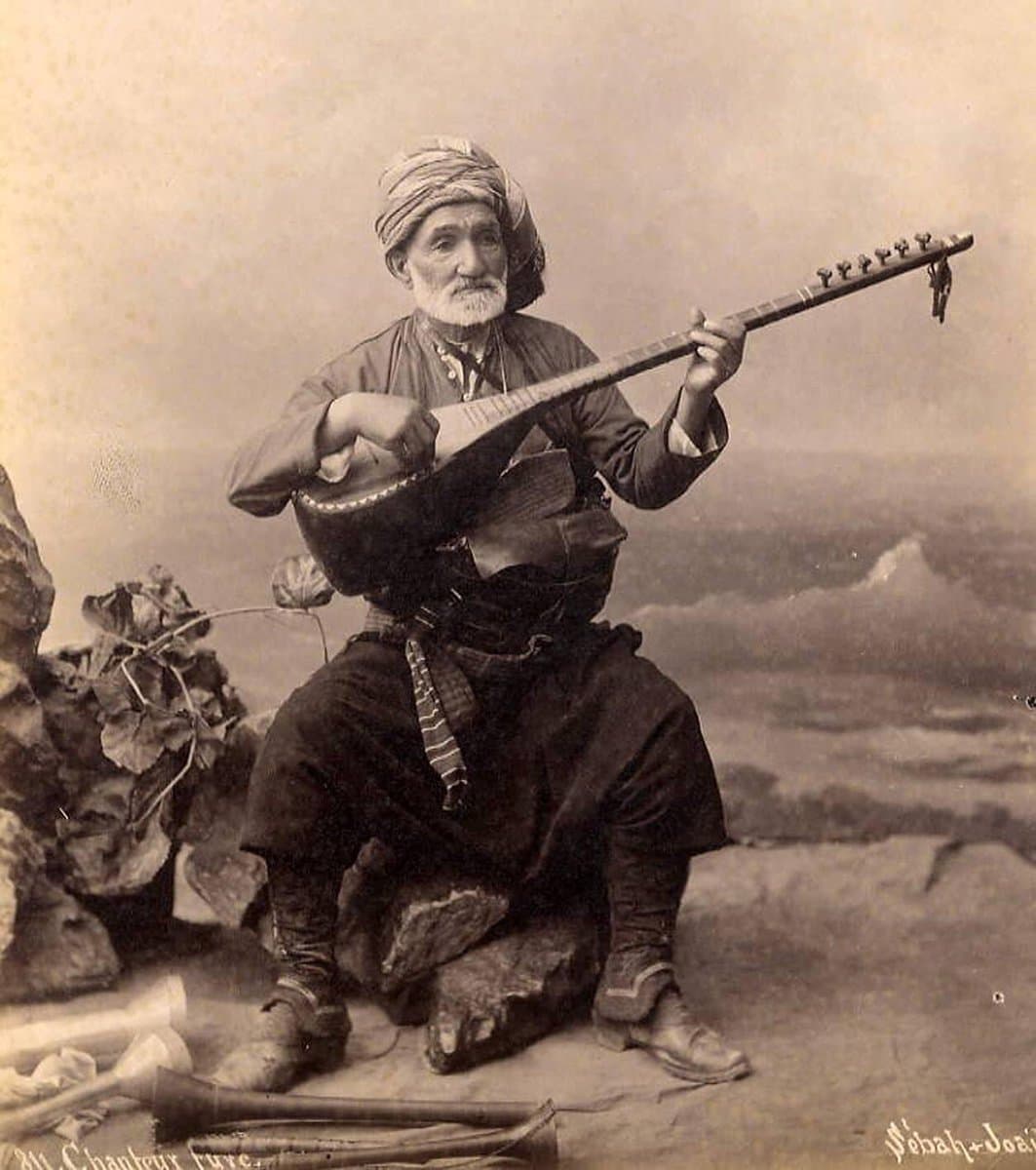
Every time I pick up my bağlama and touch its strings, I feel the weight and beauty of centuries echoing through my fingers. Today, I want to talk to you about a tradition I am deeply part of — the âşıklık tradition. I'll try to explain this ancient concept not through the lens of academia, but through my own eyes as a bağlama and vocal artist.
Who Is an Âşık?
What comes to mind when you hear the word "âşık"? Perhaps a wandering musician traveling from town to town with a saz, or an artist singing folk songs at weddings. Both images are true, but an âşık is much more than that.
An âşık is a folk artist who creates poetry through the saz (instrumental), through voice (oral), through improvisation, or through writing — sometimes combining all of these at once. This practice is called "âşıklık" or "âşıklama," and the set of rules that guide these artists is known as the "âşıklık tradition."
Where does this beautiful word come from? "Âşık" carries both the Turkish meaning of "light" (ışık) and the Arabic meaning of "one who loves, one of the heart." According to Veled Çelebi, the words "ışk" and "âşık" derive directly from the Turkish word for light. Çankırılı Ahmet Talat offers a beautiful definition: "One whose heart burns with love, whose soul is illuminated by affection." I think this captures exactly what anyone feels when they pick up a saz and begin to sing.
This term isn't unique to Anatolia either — it appears across other Turkic languages, particularly in the Azerbaijani tradition.
From Ozan to Âşık: The Great Transformation
To understand the âşıklık tradition, we need to look back at the artist type of the nomadic Turkic societies. In the nomadic era, there were the ozans — bards who sang epics accompanied by the kopuz, serving as the collective memory of their people. Epic poetry was the product of nomadic society.
But everything changed when nomadic peoples settled down. People began owning homes, fields, and land. War ceased to be a livelihood; settled life demanded peace. As İlhan Başgöz beautifully put it, the individual who was inseparable from the community in nomadic society began to develop their own identity. With this profound cultural shift, as epic poetry faded, âşık poetry emerged.
By the 15th century, after the Seljuks, the âşık type became distinct in Anatolia. This was a period of prosperity for the Turkish people — a time of great cultural accumulation. In this new geography, with changing tastes, the ozan gradually fell out of favor. The âşık type, rooted in Islamic culture, replaced the ozan who had lost their function.
An important detail: from the 13th century onward, Sufi poets began using the name "âşık" to distinguish themselves from ozans and to signal the sacred nature of their inspiration. The word "ozan" had taken on a pejorative connotation over time. Religious folk poets refused the title of "poet," which was associated with worldly pleasures. This is why they named their works "ilahi, nefes, deme, deyiş" (hymn, breath, saying). The "Hak âşıkları" (divine minstrels) added prefixes like "Kul, Abdal, Pir, Sultan, Emre" to their pen names to distinguish themselves.
The Âşık's Stage: From Coffeehouses to Palaces
What fascinates me most about this tradition is how the âşık existed within and alongside the people. Âşıks performed in caravansaries, fairs, mansions, barracks, palaces, coffeehouses; in rural areas they sang in village rooms, at weddings, gatherings, and assemblies — performing both traditional repertoire and improvised poetry.
The âşık type differs from the tekke mystic seeking divine union with God, and from the half-sorcerer shaman-ozan performing rituals with dance and music. As Başgöz describes, the âşık was an artist working in secular spaces, entertaining the public, exploring worldly themes like devotion to a beloved. Yet they carried deep cultural heritage from Central Asia. The motifs of the âşık being endowed with supernatural powers, the "bade içme" (drinking the sacred cup) ceremonies — these trace back to Central Asian belief systems.
An âşık would take up their saz and stay in the villages, towns, and cities they visited; meeting local âşıks, performing before the public. If rivals were present, they would engage in poetic duels (atışma), traveling to build their reputation and spread their work. "Saz in hand, words on tongue" — that's how the people described the âşık. Some became famous from Baghdad to the banks of the Danube.
How a Tradition Takes Shape
It was inevitable that âşıklık would develop its own rules and conventions. From the 17th to the 20th century, the fundamental standards of the tradition crystallized. Âşık gatherings were organized, performance sessions (fasıl) held, and poetic competitions staged according to these standards. To identify a true âşık, scholars look for: the ability to improvise, skill with the saz, capacity for poetic dueling (atışma), and the experience of "bade içme."
There are differing scholarly views on the tradition's boundaries. Hikmet Dizdaroğlu considers the folk poet and saz poet to be one and the same, encompassing all verse created after the ozan tradition. Vasfi Mahir Kocatürk accepts all works in the âşık style as "saz poetry" without requiring them to be performed with a saz. Köprülü used the term "âşık tarzı" (âşık style), characterizing it as a rich literature bound to specific rules and forms. Boratav, meanwhile, argued that the term "âşık poetry" should exclude poets who dealt with religious and Sufi themes.
The Âşık: Both Creator and Bridge
This is the point that moves me most. The âşık is both a creative artist and a performer. While singing their own poetry and songs, they simultaneously carry the tradition received from their contemporaries and predecessors forward to future generations.
The âşık developed to the point of emerging with a distinct artistic identity, giving their own name — their mahlas (pen name) — to the poetry they created. Their community came to expect new songs and new poems from them. The âşık literary tradition shaped the Turkish people's understanding of and taste for poetry through the great names of the 17th century, reaching its peak in the 19th century to become the most vibrant and widespread branch of Turkish folk literature.
Music's role in this literature is undeniable. In every society's creative ages, poetry has been told alongside music. Âşıks sometimes created new modes (makam) within existing compositional and musical styles, and sometimes preserved old methods and traditions exactly as they were.
When I pick up my bağlama and begin a folk song, I know I am one link in a chain stretching back centuries. On this path from ozan to âşık, from kopuz to bağlama, every note and every word carries the legacy of what came before. The responsibility I feel on the concert stage or while teaching is a beautiful weight — one this tradition has placed upon my shoulders.
I'll delve deeper into this subject in future posts. The branches of the âşıklık tradition, the bade içme motif, the âşık coffeehouses, and much more... The journey of saz and word continues.